Essential Guide to Spare Parts Management
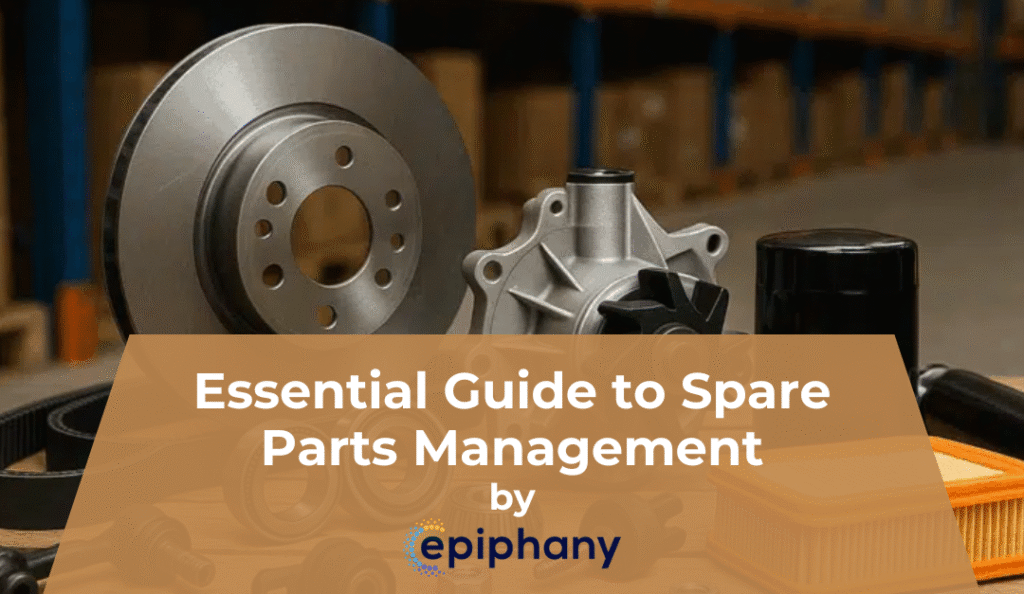
Spare parts might sound like a simple extension of inventory, but in reality, they play by a different set of rules. Not every part sitting on a shelf is an asset you can count on the books. Some parts are marked as scrap but held back in case they can be repaired and put to use later. Others come directly from a customer’s equipment and, while they aren’t owned by the company, still need to be tracked and stored with care. Then there are salvaged parts, pieces pulled from scrapped equipment that transition from non-asset to company-owned inventory once they’ve been tested and classified.
Managing all of these variations requires more than basic stock control. It demands processes that can distinguish between what is truly an asset, what might hold future value, and what belongs to someone else. Without that clarity, businesses risk errors, wasted space, and customer dissatisfaction. With it, they gain efficiency, cost savings, and stronger trust.